Self-Managing Rental Property Guide for Landlords
Unlock the secrets of successful landlord management with our self-managing rental property guide. Save on costs while maximizing profits!
Self-Managing Rental Property Guide for Landlords
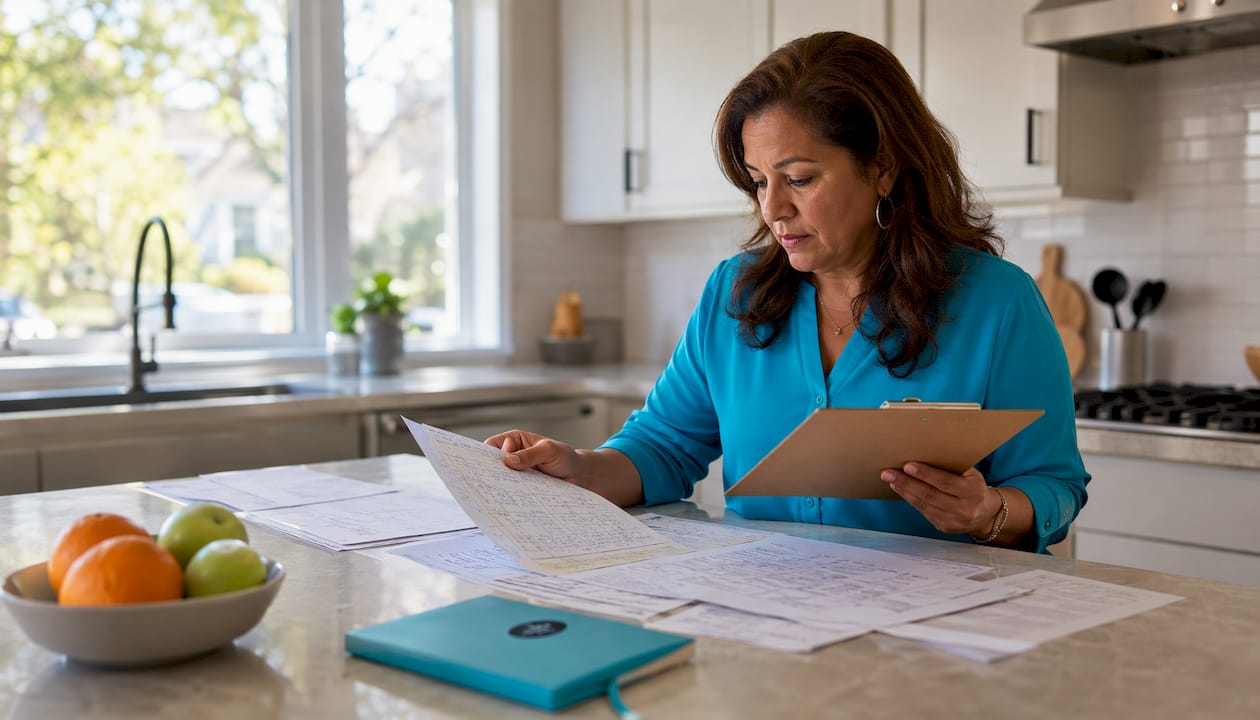
Self-managing a rental property means you, the landlord, directly handle tenant relations, leasing, maintenance, and finances without hiring a property management company. This approach is also called DIY property management or landlord self-management in the industry. The financial case is clear: management fees run 8–15% of monthly rent, plus tenant-finding fees of 50–100% of one month’s rent. Avoiding those costs adds up fast. This self-managing rental property guide walks you through every critical step, from property setup and tenant screening to lease management and daily operations, so you can run your rental like a business.
What does self-managing a rental property actually require?
Self-managing a rental property requires you to act as the CEO of a small business, not just a homeowner who happens to rent out a room. The mindset shift is the hardest part. You set rent prices, enforce lease terms, coordinate repairs, and stay current on local landlord-tenant law. All of that falls on you.
The upside is real control. Direct landlord-tenant contact leads to faster problem resolution and longer tenancies, which means fewer costly vacancy periods. Landlords who self-manage also report stronger relationships with tenants, which reduces turnover. The tradeoff is time and organization. You need systems, not just good intentions.

How to prepare your rental for self-management success
Getting your property ready before the first tenant moves in prevents most of the problems landlords complain about later. Start with the basics.
- Property condition: Clean, safe, and functional. Fix anything broken before listing. Deferred repairs signal to tenants that you will be slow to respond later.
- Legal requirements: Confirm your property meets local habitability codes, has the required certificates (smoke detectors, CO detectors, lead paint disclosures where applicable), and carries adequate landlord insurance.
- Organizational tools: Set up a dedicated email address, a cloud storage folder for documents, and a system for tracking income and expenses. A purpose-built platform like Rentriq handles lease signing, rent collection, and maintenance tracking in one place, which beats managing five separate spreadsheets.
- Local vendor network: Line up a licensed plumber, electrician, and general handyman before you need them. This matters even more if you are managing rental property remotely. A pre-vetted list of contractors cuts your response time when something breaks at 9 PM on a Friday.
- Financial accounts: Open a separate bank account for rental income and expenses. Mixing personal and rental finances creates tax headaches and makes it harder to track your property’s actual performance.
Pro Tip: Install a smart lock and a programmable thermostat before your first tenant moves in. Smart locks let you manage access remotely without cutting keys, and thermostats help prevent pipe freezes in winter. Both pay for themselves quickly.
How do you find and screen tenants effectively?
Tenant selection is the single decision that determines whether your next 12 months are smooth or stressful. Get it right by following a structured process.
- Set a competitive rent price. Research comparable rentals in your zip code on active listing sites. Pricing too high extends vacancy. Pricing too low attracts applicants who may not value the property.
- Write a clear, detailed listing. Include square footage, bedroom and bathroom count, pet policy, parking, utilities included, and lease length. Vague listings attract unqualified inquiries.
- Schedule efficient showings. Group showings in blocks rather than one-off appointments. This saves time and creates mild social proof when applicants see others interested.
- Apply consistent income standards. Applicants should earn at least 3x the monthly rent in gross income. This is the industry standard for minimizing default risk. Verify income with pay stubs, bank statements, or tax returns.
- Run a full background check. Pull credit history, criminal background, and eviction records. Rentriq integrates SmartMove and Checkr for this, so you get a complete picture without chasing down reports manually.
- Check references. Call previous landlords directly. Ask whether they paid on time, gave proper notice, and left the unit in good condition. Most landlords will tell you the truth if you ask direct questions.
- Apply your criteria consistently. Use the same standards for every applicant. Inconsistent screening creates fair housing liability. Document your criteria in writing before you start accepting applications.
The most common screening mistake is skipping reference checks because the credit score looks good. Credit scores measure debt behavior, not rental behavior. A tenant with a 720 credit score and a history of leaving units damaged is a worse choice than a tenant with a 660 score and three glowing landlord references.
Pro Tip: Use a tenant screening guide to build your standard criteria checklist before you post your first listing. Having it written down keeps you consistent and legally protected.
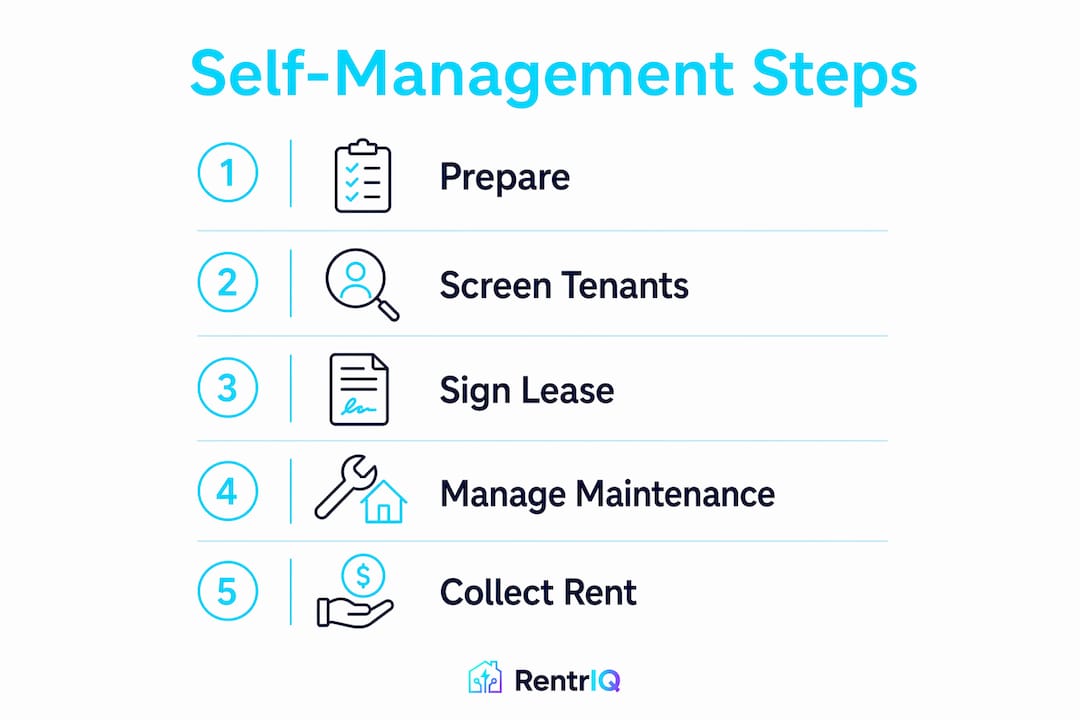
What should a strong lease agreement include?
A lease is your primary legal protection. A thorough lease defines financial terms, repair responsibilities, and house rules to prevent disputes before they start. Every lease you sign should cover the following:
- Rent amount, due date, and grace period. State the exact dollar amount, when it is due, and how many days before a late fee applies.
- Security deposit terms. Specify the amount, what it covers, and the timeline for returning it after move-out. Many states have strict deposit return deadlines, typically 14–30 days.
- Maintenance responsibilities. Clarify what the tenant handles (light bulbs, air filters, lawn care) versus what you handle (appliances, HVAC, structural repairs).
- Guest and occupancy policies. Define who is authorized to live in the unit and for how long guests may stay.
- Pet policy. State whether pets are allowed, what species and size, and whether a pet deposit or pet rent applies.
- Notice requirements. Specify how much notice either party must give before ending the tenancy.
- Entry procedures. State how much advance notice you will give before entering the unit, typically 24–48 hours per state law.
After signing, conduct a detailed move-in inspection with the tenant present. Photograph every room, every wall, and every appliance. Both parties should sign the inspection report. This document is your evidence if there is a deposit dispute at move-out. Digital lease document management keeps all of this organized and accessible without paper filing systems.
How to handle day-to-day operations and maintenance planning
Daily operations are where most landlords either build a sustainable rental business or burn out. The difference comes down to systems.
Rent collection
Online rent payment portals increase on-time payments and reduce the friction of chasing checks. Set up automatic reminders before the due date. Rentriq processes rent collection through Stripe, which means payments are tracked, receipts are automatic, and your records are clean at tax time. Establish a written late fee policy and enforce it consistently from the first month.
Maintenance planning
Home maintenance costs rose 12% in 2024, and that trend has not reversed. Deferred maintenance always costs more than timely repairs. Build a seasonal checklist and stick to it.
| Season | Key maintenance tasks |
|---|---|
| Spring | HVAC service, roof inspection, gutter cleaning |
| Summer | Pest control, exterior paint touch-up, AC filter check |
| Fall | Furnace inspection, weatherstripping, smoke detector test |
| Winter | Pipe insulation check, water heater flush, driveway sealing |
Budgeting for repairs
Budget 1% of property value annually for routine repairs and an additional 1–3% for capital expenditures like roof replacement, HVAC systems, or appliance upgrades. On a $250,000 property, that means setting aside $2,500–$10,000 per year. Landlords who skip this step get caught short when a water heater fails or a roof needs replacing.
Pro Tip: Keep a separate savings account labeled “property reserves” and transfer a fixed amount into it each month. Treat it like a non-negotiable expense. When a major repair hits, you will have the funds ready without touching personal savings.
For an annual review of your property’s financial and physical condition, a structured annual property review process keeps you ahead of problems instead of reacting to them.
Key Takeaways
Successful landlord self-management requires consistent systems for tenant screening, lease enforcement, maintenance budgeting, and rent collection, not just good intentions.
| Point | Details |
|---|---|
| Avoid management fees | Self-managing saves 8–15% monthly rent in fees plus up to one month’s rent in tenant-finding costs. |
| Screen tenants rigorously | Require gross income of at least 3x monthly rent and always check references from prior landlords. |
| Build a complete lease | Cover rent terms, repair responsibilities, pet policy, and entry procedures to prevent disputes. |
| Budget for maintenance | Set aside 1–3% of property value annually so repairs never catch you financially unprepared. |
| Use digital tools | Online rent collection and lease management platforms reduce errors and save hours each month. |
What I have learned from years of watching landlords succeed and fail
Self-managing a rental property rewards the organized and punishes the reactive. I have seen landlords with one property run it better than investors with ten, purely because they treated it like a business from day one.
The time commitment surprises most first-timers. Stable tenancies require 2–5 hours per month, but changeover periods demand 15–25 hours. That is not a small ask if you have a full-time job. The landlords who burn out are the ones who underestimate turnover work and have no systems to fall back on.
The biggest advantage of self-management is not the money saved on fees. It is the direct relationship with your tenant. When a tenant trusts you to respond quickly and treat them fairly, they stay longer, report problems early, and take better care of the property. That relationship is worth more than any management software feature.
My honest advice: do not self-manage if you are not willing to answer a maintenance call within 24 hours. Tenants do not expect perfection. They expect responsiveness. If you cannot commit to that standard, professional management is the better choice, and there is no shame in that. Knowing your limits is part of running a business well.
— Stephen
Rentriq makes self-management practical from day one
Managing your own rental is entirely achievable with the right tools behind you. Rentriq is built specifically for independent landlords who want more than a spreadsheet but do not need an enterprise platform. It handles tenant screening with SmartMove and Checkr, digital lease signing, online rent collection through Stripe, and maintenance work order tracking, all in one place.
You can use Rentriq’s free rental calculator to model your property’s cash flow before you even list it. When you are ready to manage the full rental lifecycle digitally, Rentriq’s free plan gets you started with no upfront cost. For landlords who want to see how software plans scale with their portfolio, the pricing page breaks down every option clearly.
FAQ
What is self-managing a rental property?
Self-managing a rental property means the landlord personally handles tenant screening, leasing, rent collection, and maintenance without hiring a property management company. It is also called DIY property management or landlord self-management.
How much time does self-managing a rental take each month?
During a stable tenancy, self-managing typically requires 2–5 hours per month. Turnover periods, when a tenant moves out and a new one moves in, can require 15–25 hours.
What income standard should I use to screen tenants?
The industry standard is that an applicant’s gross monthly income should equal at least 3x the monthly rent. This threshold significantly reduces the risk of late payments and defaults.
How much should I budget for rental property maintenance?
Budget 1% of the property’s value annually for routine repairs and an additional 1–3% for capital expenditures like roof or HVAC replacement. On a $300,000 property, that is $3,000–$12,000 per year in reserves.
Can I self-manage a rental property if I live out of state?
Yes. Remote landlords succeed by building a local network of licensed contractors and using smart home technology like digital locks and thermostats. A cloud-based platform like Rentriq handles rent collection, maintenance requests, and tenant communication from anywhere.
Recommended
Manage your rentals with RentrIQ
Free with unlimited units. Tenant screening, online rent collection, maintenance tracking, and more.
Start Free