Move-In and Move-Out Inspection Guide for Landlords (With Checklist)
How to conduct a proper move-in and move-out inspection, what to document, how to handle deposit deductions, and how to avoid disputes.
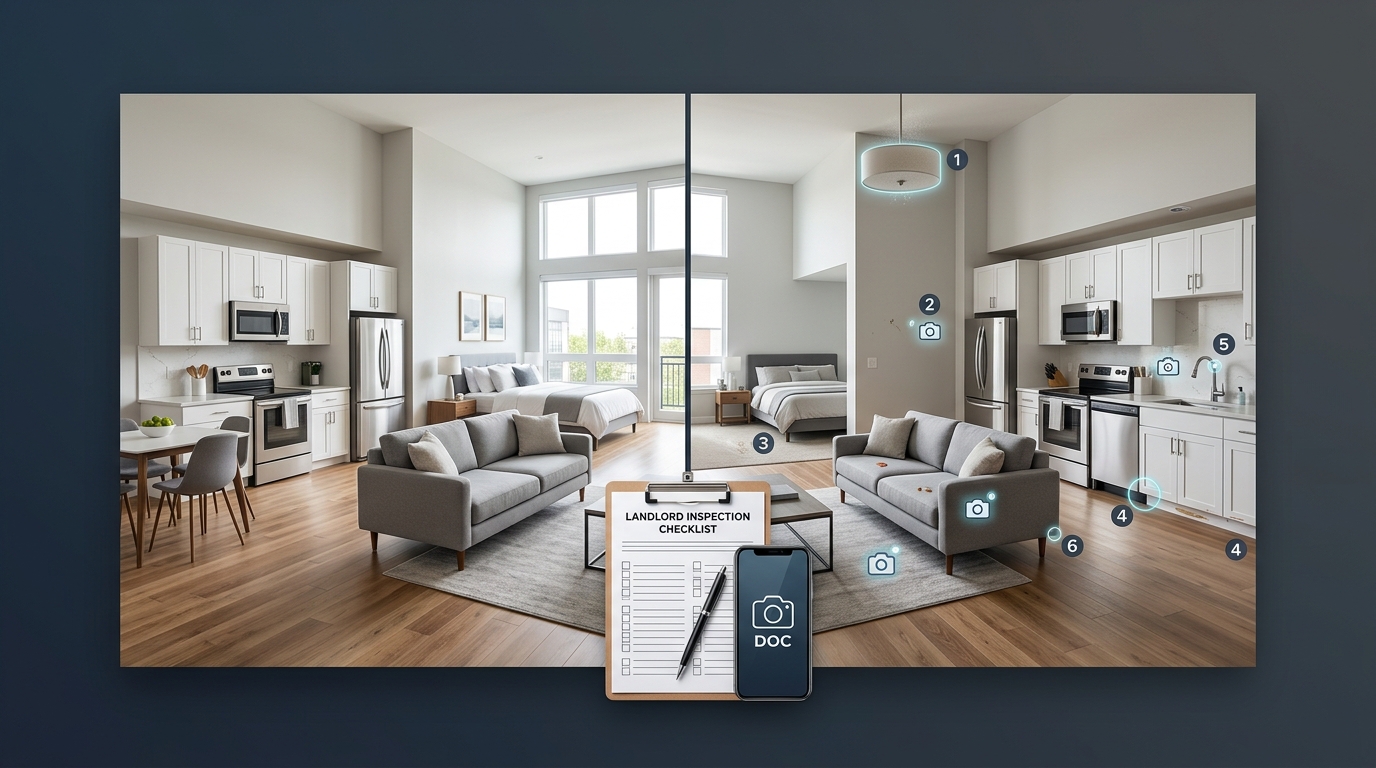
Security deposit disputes are the number one source of landlord-tenant conflict — and most of them are entirely preventable. The difference between a smooth move-out and a small claims court appearance comes down to documentation: specifically, a thorough move-in inspection and an equally thorough move-out comparison. Here's how to do it right.
Why Inspections Matter So Much
Without a documented move-in condition, you have no baseline to compare against at move-out. A tenant can claim the scratch on the hardwood was already there. The broken blinds were broken when they moved in. The hole in the wall is "normal wear and tear." Without a signed, photographic move-in report, you often can't prove otherwise — and courts side with tenants when documentation is missing.
The Move-In Inspection
Timing
Conduct the move-in inspection before the tenant moves any belongings in. An empty unit is easier to photograph and harder to argue about. Schedule it for move-in day, but arrive before the moving truck.
What to Document Room by Room
Go through every space methodically. For each room, document:
- Walls: Any scuffs, holes, stains, paint condition, color
- Floors: Scratches, stains, carpet wear, grout condition
- Ceilings: Water stains, cracks, light fixtures
- Windows: Cracks, screen condition, lock function, blinds/shades
- Doors: Alignment, hardware, locks, deadbolts
- Closets: Rod condition, shelving, interior walls
For the kitchen: appliance function (run the dishwasher through a cycle, test all burners, open and inspect the oven), cabinet and drawer condition, countertop condition, sink and faucet, garbage disposal.
For bathrooms: toilet function and base seal, tub and shower caulk/grout, vanity, exhaust fan, fixtures.
Photo and Video Requirements
Take at minimum 3–5 photos per room from different angles. Always photograph:
- Every wall of every room
- All appliances (open and closed)
- Under sinks (pre-existing water damage or mold)
- Inside closets
- All exterior doors and windows
- The date-stamped odometer on your phone or a newspaper with the date visible if your phone doesn't auto-timestamp
Upload photos immediately to your property management platform — the upload timestamp is your legal timestamp. Don't let photos sit on your phone for weeks.
The Signed Inspection Report
Walk through the unit together with the tenant and have both parties sign the inspection report before keys are handed over — use this alongside your move-in checklist to make sure nothing is missed. Give the tenant a copy immediately. This document is the bedrock of your deposit claim at move-out.
The Move-Out Inspection
Timing
Conduct the move-out inspection within 24–48 hours of the tenant vacating — ideally with the tenant present. Many states allow (or require) the tenant to be present for the move-out inspection if they request it. With the tenant present, there's less room to dispute findings.
Normal Wear vs. Tenant Damage
This is where most disputes happen. Normal wear and tear is deterioration from ordinary use — you cannot deduct for it:
- Small nail holes from hanging pictures (reasonable number)
- Faded paint from sunlight
- Carpet worn thin in high-traffic areas (after 3+ years)
- Scuffs on baseboards from normal foot traffic
Tenant damage is beyond normal use — you can deduct for this:
- Large holes in walls (door handle through drywall, anchors pulled out)
- Stains on carpet from pet accidents or spills
- Broken fixtures, missing blinds, cracked tiles
- Unauthorized painting or modifications
- Excessive filth requiring professional cleaning beyond standard turnover
Deposit Return Timelines by State
Miss your state's deadline and you may forfeit your right to make any deductions — and potentially owe the tenant damages:
- California: 21 days
- Texas: 30 days
- Florida: 15 days (if no deductions); 30 days (if deductions with written notice)
- New York: 14 days
- Illinois: 30 days
- North Carolina: 30 days
- Virginia: 45 days
- Washington: 21 days
- Georgia: 30 days
- Arizona: 14 days
Always return the deposit (or itemized deduction statement) via certified mail so you have proof of delivery and date.
Use Technology to Protect Yourself
RentrIQ's digital inspection tool lets you conduct move-in and move-out inspections on your phone — room by room, with photo attachments, condition ratings, and notes — and generates a timestamped PDF report that both parties can sign digitally. Your documentation is stored permanently and tied to the tenant's record, making deposit disputes much easier to resolve.
Bottom Line
Spend 45–60 minutes doing a thorough move-in inspection and you protect yourself against hours of dispute, attorney fees, and small claims court stress at move-out. It's the highest ROI hour in property management.
Manage your rentals with RentrIQ
Free with unlimited units. Tenant screening, online rent collection, maintenance tracking, and more.
Start Free